Slipper Socks: The Ultimate Guide to Cozy, Non-Slip Footwear
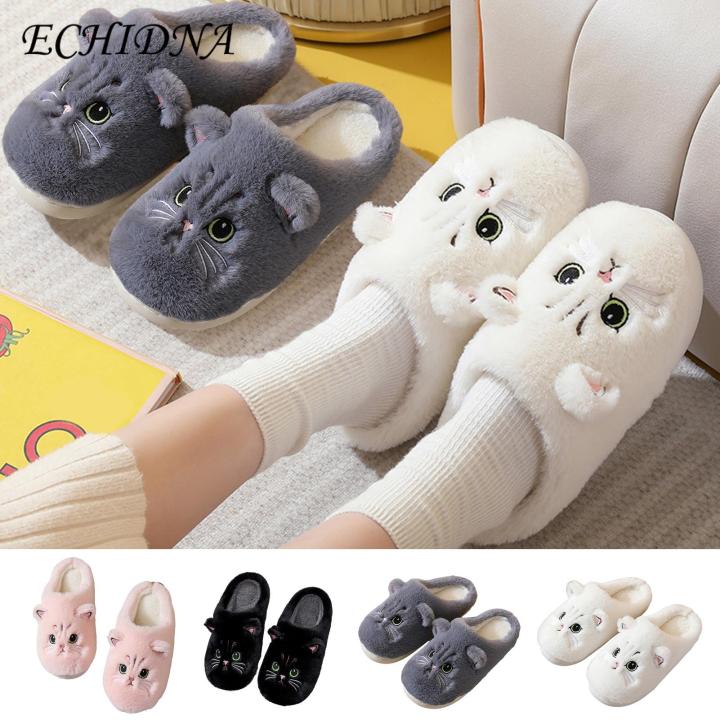
Men and women alike are spending more time at home, and comfort has become a top priority. A recent 2021 survey found that 74% of consumers now report wearing more comfortable clothing than before the pandemic. This shift toward loungewear and casual attire has fueled demand for cozy indoor footwear – including slipper socks. Slipper socks combine the softness and warmth of thick socks with the stability of slippers, making them perfect for chilly floors or relaxed days at home. In this comprehensive guide, we’ll explore what slipper socks are, why they’re trending in 2025, and how to pick the perfect pair.
We’ll cover women’s slipper socks (aka slipper socks women love), styles and materials, care tips, and answer frequently asked questions. Whether you’re searching for sock slippers to keep your feet warm or just curious about the latest loungewear fad, read on to discover everything you need to know about slipper socks.
What Are Slipper Socks?
Slipper socks are essentially a hybrid between traditional socks and house slippers. Unlike regular socks, they feature padded soles or rubber grippers on the bottom to add traction on smooth floors. This design provides non-slip safety, helping you walk confidently on hardwood, tile, or laminate surfaces. For example, hospital patients are often given textured slipper socks to prevent falls – studies show that textured grippy socks can dramatically cut slip-and-fall incidents. Slipper socks also use soft, insulating materials (like wool, cotton, or fleece) to keep feet warm.
Often marketed as “house socks” or “bed socks,” slipper socks come under various names and styles. Some people call them lounge socks or gripper socks because of the rubberized sole. Regardless of the name, the goal is the same: to combine the cozy warmth of thick socks with the supportive feel of an indoor shoe. As one source explains, slipper socks “provide the warmth and comfort of socks and the slip-resistant safety of slippers”. In short, these dual-purpose socks act like cushioned indoor shoes that snugly hug your feet.
Figure: A pair of blue and gray slipper socks with non-slip rubber grips. These women’s slipper socks provide warmth, cushioning, and traction for safe indoor use.
Key Features of Slipper Socks
Slipper socks generally share several common features:
- Plush, Insulating Materials: Most slipper socks use thick, fluffy fabrics (like fleece, wool blends, or sherpa) that trap heat and keep feet extra warm. These soft linings are ideal for cold mornings or winter evenings.
- Grippy Soles: The bottom usually has rubber dots, silicone patterns, or a full rubber sole. These grips prevent slips on smooth surfaces. In fact, textured gripper soles are so effective that similar designs are used in hospitals to keep patients safe from falls.
- Reinforced Construction: Compared to thin dress socks, slipper socks often have reinforced heels and toes for durability. They are made to last through walking on floors without wearing out quickly. High-quality slipper socks maintain their shape and snug fit even after many wears.
- Snug Fit: They stretch to fit your foot snugly (often one-size-fits-most) and many have ribbed cuffs or gentle elastic to stay up around the ankle. This means they hug your feet without being too tight.
Slipper socks may come in ankle or crew lengths. Ankle-length styles are convenient and less bulky, ideal for mild weather. Crew or knee-length socks provide extra coverage and warmth in winter. Some slipper socks even include extra cushioning in the sole for added comfort underfoot.
By combining these features, slipper socks ensure your feet stay warm, comfortable, and stable on indoor floors.
Why Slipper Socks are Trending (2025)
In recent years, several factors have boosted the popularity of slipper socks:
- Work-From-Home & Loungewear Trend: As more people work remotely and spend time indoors, there’s a greater emphasis on comfortable, casual clothing. The pandemic accelerated this trend; in fact, 74% of consumers now report prioritizing comfort over pre-pandemic fashion norms. Slipper socks fit right in with loungewear, offering a homey, relaxed feel while keeping feet warm.
- Health & Safety Awareness: Fall prevention is a major concern, especially for the elderly or hospitalized patients. Slipper socks with non-slip soles are a simple solution. Healthcare studies show that textured slipper socks can reduce slip-and-fall incidents by about 40% compared to regular socks. Many hospitals now provide gripper slipper socks to patients for this reason.
- Seasonal Demand: Warm foot coverings see a spike in demand during cold weather. Industry reports note that sales of warm socks can jump up to 30% when temperatures drop. Slipper socks, with their insulating materials, become especially appealing in winter and fall.
- Gifts & Novelty: Designer and novelty slipper socks have emerged as trendy gifts. They come in attractive patterns – from holiday-themed prints to stylish knits – making them a fun and practical present. The combination of cute design and function has broadened their appeal beyond just being a utility item.
Figure: Beige and brown cushioned slipper socks with anti-slip soles. The rubber dot pattern provides extra grip on slippery indoor floors.
Overall, slipper socks bridge the gap between fashion and function. By 2025, shoppers expect to find slipper socks for women and slipper socks for men at retailers. Many brands highlight design and comfort: for instance, women’s slipper socks often boast “ultra-soft, fluffy” materials that keep feet warm without bulk. In short, as indoor comfort continues to trend, slipper socks have earned their place in modern loungewear.
Benefits of Slipper Socks
Slipper socks deliver several key benefits over both regular socks and lightweight slippers:
- Enhanced Warmth: The thick, insulating fabrics (wool, fleece, sherpa) lock in body heat, keeping feet toasty in cold rooms. Many slipper socks act like a mini heating pad for your feet. They are especially appreciated in winter – for example, brands note that their plush lining “traps heat, keeping feet toasty”.
- Improved Safety: Thanks to their grippy soles, slipper socks dramatically increase traction. This means you can walk on smooth floors without risking a slip. For perspective, a CDC-backed review found that hospitals using textured slipper socks saw roughly 40% fewer falls than those using plain socks. Everyday users experience the same benefit: walking on hardwood or tile in slipper socks is much safer.
- Better Foot Health: Keeping feet warm and dry promotes circulation and hygiene. Warm feet help blood flow – which is important for people with circulation issues. Health sources note that wearing warm, non-slip socks can improve blood flow, benefiting people with poor circulation or conditions like diabetes. Also, slipper socks prevent your feet from touching cold, dirty floors directly, reducing the risk of fungal infections and odors.
- Versatility & Convenience: Slipper socks can be used in many situations. They’re perfect for relaxing at home, after a bath, or even for indoor exercise like yoga or Pilates (where grip aids stability). Unlike bulky slippers, slipper socks can be thrown in the washing machine, making them easy to care for. Many people also pack slipper socks on trips to use in hotel rooms or airplanes.
- Durability: High-quality slipper socks are built to last. They often feature reinforced stitching and durable fabrics. Many even maintain their grip after dozens of wash cycles. So, despite their soft feel, they can withstand regular use much longer than fragile house slippers.
In summary, slipper socks enhance comfort and safety simultaneously. Users get the plush warmth of socks and the slip resistance of slippers in one item. As one review noted, they’re essentially “the softest, comfiest footwear you can wear around the house” with practical grippy soles.
Slipper Socks vs. Slippers and Regular Socks
To see why slipper socks are special, it helps to compare them with other indoor footwear:
- Slipper Socks vs. Regular Socks: Regular socks alone provide only mild insulation and no traction. On slick floors, ordinary socks offer no grip, making slips likely. Slipper socks remedy this by adding rubber or silicone tread on the sole. In other words, they keep your feet warm like socks but act more like shoes in preventing falls.
- Slipper Socks vs. House Slippers: Traditional slippers (like moccasins or slip-on shoes) have sturdier soles and structure, but they can be bulky and harder to clean. Slipper socks, being soft and flexible, feel closer to regular socks while still providing protection. They allow more natural movement of the foot and can often be put on in bed (unlike slippers, which usually require bending over). Both keep feet off cold floors, but slipper socks are lighter and easier to store.
- Barefoot vs. Slipper Socks: Walking barefoot feels free, but it offers no grip or insulation. Slipper socks cover the foot completely, protecting against germs and cold. They give you the sensation of walking barefoot on carpet, with the added benefit of warmth and traction. For those who prefer barefoot indoors, slipper socks are a good compromise.
- Grip Socks (Yoga Socks) vs. Slipper Socks: Yoga or pilates socks often have small grips only on the sole and are made of thin fabric. Slipper socks have more extensive grip coverage and thicker, cozier material. In fact, medical facilities have adopted slipper socks for patient safety, which shows how substantial their grip is compared to basic athletic socks.
Overall, slipper socks occupy a sweet spot: warmer than regular socks, lighter than slippers, and safer than bare feet. They offer an easy way to upgrade everyday comfort.
Women’s Slipper Socks: Cozy Comfort with Style
For women, slipper socks often blend function with fashion. Many women’s slipper socks are designed with ultra-soft, fluffy materials like sherpa fleece or high-pile knits. Brands highlight that their women’s slipper socks are “crafted with ultra-soft, fluffy materials that feel gentle against your skin”. This means your feet get extra pampering.
In terms of design, women’s slipper socks come in countless styles. Popular choices include:
- Patterns & Prints: Many brands offer decorative prints (polka dots, florals, fair isle) or seasonal themes (snowflakes for winter, hearts for Valentine’s). Holiday-themed slipper socks, for example, are often marketed as festive gifts that keep feet “warm, cozy, and protected”.
- Colors & Accents: Beyond patterns, solid colors from neutrals to pastels are common. Some slipper socks have cute accents like pom-poms, ruffles, or ribbon ties at the cuff. These touches make them appealing for social media posts or just brightening your loungewear.
- Fit & Sizing: Most women’s slipper socks offer a stretchy fit covering a range of shoe sizes (e.g. Women’s 5-10). They typically have a ribbed cuff to stay snug around the ankle. Many styles are one-size-fits-most, relying on fabric stretch to accommodate different foot shapes.
- Seasonal Linings: Some winter slipper socks have heavier lining (fleece or faux fur) inside the sock. Others for milder weather might use breathable cotton blends. It’s easy to find a style that matches your climate needs.
An added benefit is that women’s slipper socks make great gifts. A quality pair delivers both practicality and luxury. For example, fuzzy slipper socks with gripper soles are often recommended as thoughtful holiday or housewarming gifts. They show you care about someone’s comfort and safety.
Healthcare Insight: Studies of slip-resistant footwear in healthcare suggest that textured slipper socks can reduce falls by around 40% in hospitals. This highlights their safety value for everyone – from busy moms chasing kids to seniors staying steady at home. Many women’s styles incorporate these safety features without sacrificing softness.
【45†Image: Christmas slipper socks†differenttouch.com】 (Image: Festive-themed women’s slipper socks from Different Touch, featuring anti-slip treads.)
Slipper Socks for Men and Unisex Styles
Men’s and unisex slipper socks focus on warmth and practicality. They often come in solid or simple patterns (navy, gray, plaid, etc.) and thicker builds. The key features that men appreciate include:
- Superior Warmth: Men’s slipper socks often have thick fleece or wool linings to trap heat close to the skin. They effectively block cold air from reaching your feet, making winter mornings much more comfortable. (Notably, industry data shows that warm sock sales jump by up to 30% when temperatures drop.)
- Non-Slip Traction: These socks have rubberized soles or silicone grippers that provide strong traction. This prevents slips on tile, hardwood, or even wet surfaces. In fact, such gripper soles are so effective that similar designs are used in hospitals to help keep patients safe.
- Durable Construction: Slipper socks for men are built to last. They typically feature reinforced heels and toes, and the materials resist stretching out. They also maintain their shape and snug fit even after many wears and washes.
- Hygienic Fabrics: Quality slipper socks use breathable, moisture-wicking materials (like cotton or bamboo blends) in the sock body, drawing sweat away from the skin. This keeps feet drier and reduces odors, even during extended wear.
- Built-in Cushioning: Many have extra padding under the footbed for comfort. This built-in cushion feels like a soft insole, offering relief for feet that stand a lot or suffer from pressure points.
- Simple Styles: While function is key, slipper socks come in many designs. Classic solids or plaids are common, and novelty prints (reindeer, sports logos, cartoon characters) are popular for gifts. Both bright and neutral options are available to suit personal taste.
- Alternate Names: You’ll see these socks labeled as “mens slipper socks,” “house socks,” or simply “gripper socks” in stores. All these terms point to the same warm, non-slip indoor sock concept.
In short, slipper socks for men deliver the same cozy warmth and safety as women’s versions, often with a more understated style. Both men and women now enjoy these as part of their casual home attire.
How to Choose the Perfect Slipper Socks
When selecting slipper socks, keep these tips in mind:
- Material Matters: Decide if you need maximum warmth or breathability. Wool and heavy fleece are the warmest, great for freezing mornings. Cotton or cotton blends are lighter and work better year-round. Synthetic materials (like polyester or nylon) add stretch and help the sock keep its shape. For example, a wool-blend slipper sock will insulate well, but a cotton-poly blend might be more comfortable if you tend to overheat in bed.
- Grip Coverage: Check the sole. The safest slipper socks have rubber/silicone tread covering most of the bottom. Some even have tread on the top of the foot to prevent sliding when you shuffle. More grip is better for balance, especially for seniors, children, or anyone walking quickly on smooth floors.
- Fit & Elastic: Look for a size that fits snugly. If possible, try them on: the socks should not bunch under your arch or slip down your heel. A good cuff is important – if it’s loose, the sock can fall off; if it’s too tight, it may be uncomfortable. Aim for socks that feel like a second skin without cutting off circulation.
- Sock Height: Pick the length that suits your needs. Ankle slipper socks (no higher than ankle) are easy to put on and stay cooler. Crew or knee-length options keep more of your leg warm and reduce heat loss, which is nice in a cold bedroom. Choose based on your climate and comfort preferences.
- Thickness: Feel the density. Thicker socks give a pillowy feel underfoot but might be less flexible if you want to wear them with any shoe. Thinner slipper socks might feel more like wearing an extra sock under a slipper. Consider where and how you’ll use them.
- Style & Aesthetics: Lastly, choose a style you like. If you plan to wear them often, you’ll enjoy the experience more if they look appealing. Whether plain knit or patterned, pick colors that make you happy. Since slipper socks are visible around the house, there’s no harm in making them stylish!
It can also help to think of use cases while shopping. For instance, if you want a pair mainly for around the house in winter, go for a thick wool sock. If you’ll use them after a shower, a cotton blend may be fine. If you plan to walk the dog, a thicker sole could be worth it.
Example: You might pick a pair of fluffy women’s slipper socks lined with sherpa fleece and full grippy soles. These would excel on cold stone floors. Alternatively, a lightweight cotton-blend ankle slipper sock with rubber dot grips could be perfect for everyday indoor wear in spring or summer.
Recommended Use Cases
- Around the House: Use them anytime you’re lounging, working from home, or waking up in the morning. Keep a pair by your bed or living room.
- After Shower or Bath: Have them ready to slip on post-bath to keep the chill off your feet until bedtime.
- Outdoor Errands: If you’re wearing shoes before heading outside, slip off your shoes and pop on slipper socks for a quick, cozy wait at the front door.
- Travel: Pack a pair for hotel stays or flights. They provide warmth on cold floors and comfort in transit.
Caring for Your Slipper Socks
To keep your slipper socks in great condition, wash and care for them properly:
- Machine Wash Cold/Gentle: Turn them inside out so the grippers don’t stick to other fabrics. Use a gentle cycle if available.
- Air Dry: Whenever possible, let them air dry. If you must tumble dry, use the lowest heat. High heat can shrink natural fibers or damage elastic and rubber grips.
- Wash Similar Items Together: Like colors with like colors, especially if the socks are dark or brightly dyed.
- Avoid Bleach & Fabric Softener: Harsh chemicals and softeners can break down fibers and reduce grip. Use a mild detergent instead.
- Inspect Grips: Over time, wipe the rubber grips to remove lint or debris. If they peel off, it may be time for a new pair.
With proper care, good-quality slipper socks can remain plush and grippy through many washes – often lasting longer than cheap slippers.
Best Occasions to Wear Slipper Socks
Slipper socks shine in many everyday situations. Here are some great times and places to use them:
- Camping Trips: Even in summer, nights can be chilly when you’re outdoors. Bringing slipper socks on a camping trip keeps your toes warm around the campfire and in the tent. They’re much easier to pull on early in the morning than shoes.
- Summer Evenings/BBQs: When a warm afternoon turns into a cool evening (think backyard BBQ or bonfire), a pair of slipper socks can let you stay outside longer without cold feet. Just like a warm throw or sweater, slipper socks help you enjoy the stars a bit longer.
- Tiled Floors & Travel: If you have hardwood or tile floors in your home, they can feel icy cold even on warm days. Keeping a pair of slipper socks by the bathroom or bedroom door means your feet will always stay warm when you step out of bed. This tip is especially useful when traveling: many vacation homes and hotels have tile or stone floors (e.g., terracotta tiles) that remain cool. The built-in anti-slip soles on slipper socks help you walk safely on these unfamiliar surfaces.
- After a Bath or Shower: Stepping out of a hot bath can be chilly if the floor is cold. Sliding into a pair of warm slipper socks as soon as you dry off keeps you cozy until you’re fully dressed. Unlike damp regular socks, slipper socks protect your feet from the cold and moisture.
- Classrooms & Offices: In some places, schools have even asked students to wear slipper socks instead of shoes to make the classroom quieter and more comfortable. Similarly, if you work in a relaxed home office or a casual workspace, slipping on slipper socks can keep your feet comfortable all day long.
These scenarios show how versatile slipper socks can be. Basically, anytime you need extra warmth or traction around the feet, reach for your slipper socks.
Frequently Asked Questions (FAQs)
Q: What exactly makes slipper socks different from fuzzy socks? \
A: The main difference is the sole. Fuzzy socks are thick and warm but have plain fabric soles. Slipper socks, on the other hand, include a textured or rubberized sole. This anti-slip sole gives them extra safety on hard floors. So slipper socks are a type of fuzzy sock, but with added grips.
Q: Can I wear slipper socks outside on my patio or deck? \
A: Slipper socks are designed for indoor use. Their soft soles can wear down quickly on rough outdoor surfaces. If you step briefly outside (for example, to grab the mail), it’s usually okay, but they won’t last long for regular outdoor use. For full outdoor wear, shoes or slippers with durable soles are better.
Q: How do I size slipper socks for children vs. adults? \
A: Children’s slipper socks often come in kid-specific sizes, just like kids’ shoes. For adults, look at the size chart provided by the brand. Most adult slipper socks cover a range (e.g. women’s 5-10). For a proper fit, the sock should stretch comfortably without large gaps at the toe or heel. If possible, try them on or check reviews to ensure they fit well on your foot.
Q: Do slipper socks help with cold feet or circulation issues? \
A: Yes, slipper socks keep feet warmer than regular socks, which can help improve circulation. Warmth reduces the constriction of blood vessels. Health sources note that wearing warm, non-slip socks can improve blood flow, which is especially beneficial for people with poor circulation or conditions like diabetes. In short, slipper socks can help keep your feet healthier by maintaining warmth and dryness.
Q: Can I use slipper socks in bed? Are they like sleep socks? \
A: You can wear slipper socks in bed if you like, but keep in mind they have grips on the soles. If the grips are soft, they won’t be uncomfortable under sheets. However, some people prefer lighter “bed socks” for sleeping (which are essentially slipper socks with minimal grip). If you often feel cold at night, slipper socks are fine to wear in bed or just before sleeping – just make sure the seams don’t poke through your sheets.
Q: How long do slipper socks typically last? \
A: Lifespan depends on quality and use. A well-made pair of slipper socks can last a few years with regular wear, as long as you care for them properly. Over time, the fabric may pill slightly and grips may wear down, but many high-quality pairs remain functional after dozens of washes. Cheap slipper socks may start to lose their traction or softness sooner, so investing in a trusted brand often pays off in longevity.
Conclusion
Slipper socks are a clever fusion of comfort, warmth, and safety. They let you enjoy the feel of a cozy sock while providing traction to prevent slips and keeping your feet warm on cold floors. As casual, home-friendly fashion continues to grow, slipper socks have become a must-have accessory. From fuzzy women’s slipper socks with cute prints to durable unisex designs, there’s a pair for everyone.
Next time you’re shopping for comfort at home, consider adding a pair of slipper socks to your wardrobe. They make thoughtful gifts and are an easy way to upgrade your indoor footwear. If you found this guide helpful, share it on social media and leave a comment below with your favorite brand or design of slipper socks. Stay warm and step with confidence!
