Budgeting Tips for Food: Groceries vs Eating Out
Food is one of the most consistent and necessary expenses in any household budget, yet it is also one of the easiest areas to overspend. The choice between cooking at home and eating out can have a significant impact on your monthly finances. While dining out offers convenience and enjoyment, grocery shopping and meal preparation often provide better value. Finding the right balance between the two is key to maintaining both financial discipline and a satisfying lifestyle. With a thoughtful approach, it is possible to enjoy meals without stretching your budget too thin.
Understanding the True Cost of Eating Out
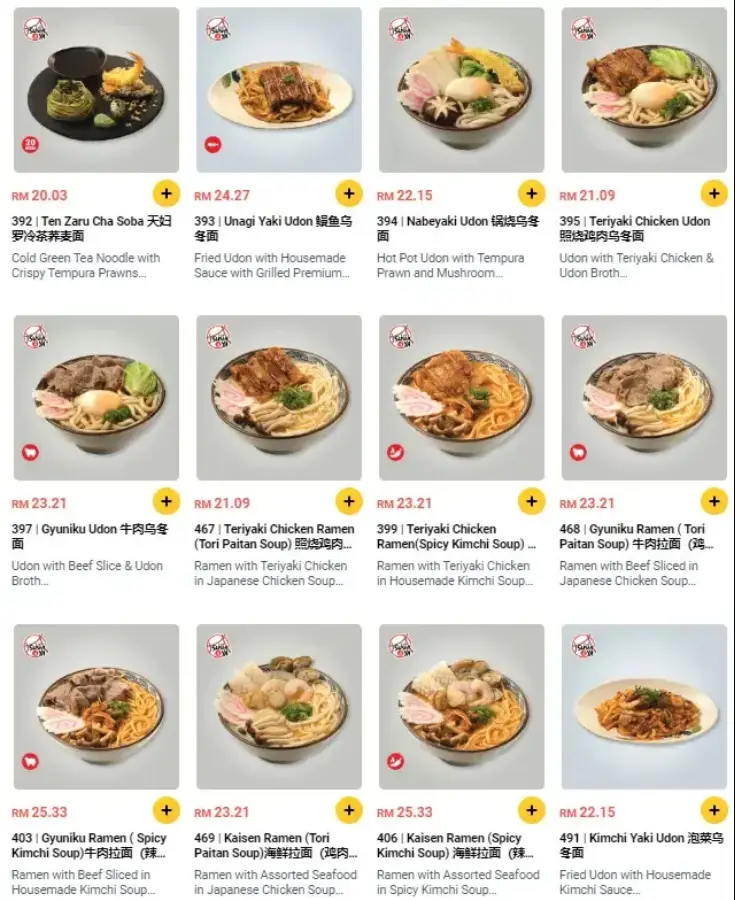
Many people underestimate how quickly dining out expenses can accumulate. A single meal at a restaurant might seem reasonable, but repeated visits throughout the week can add up to a substantial monthly cost. When you factor in tips, taxes, and beverages, the total often exceeds the price of preparing a similar meal at home.
Convenience plays a major role in this spending habit. Busy schedules and limited time make takeout or dining out an appealing option. However, finance professionals often point out that awareness is the first step toward improvement. Tracking how much you spend on restaurants over a month can provide eye-opening insights.
Reducing the frequency of dining out does not mean eliminating it entirely. Instead, being intentional about when and why you choose to eat out can help you maintain control over your spending while still enjoying the experience.
Maximizing Value Through Grocery Shopping
Grocery shopping is generally the more cost-effective option, but it still requires strategy to avoid unnecessary expenses. Simply buying food for home preparation does not automatically guarantee savings if purchases are unplanned or wasteful.
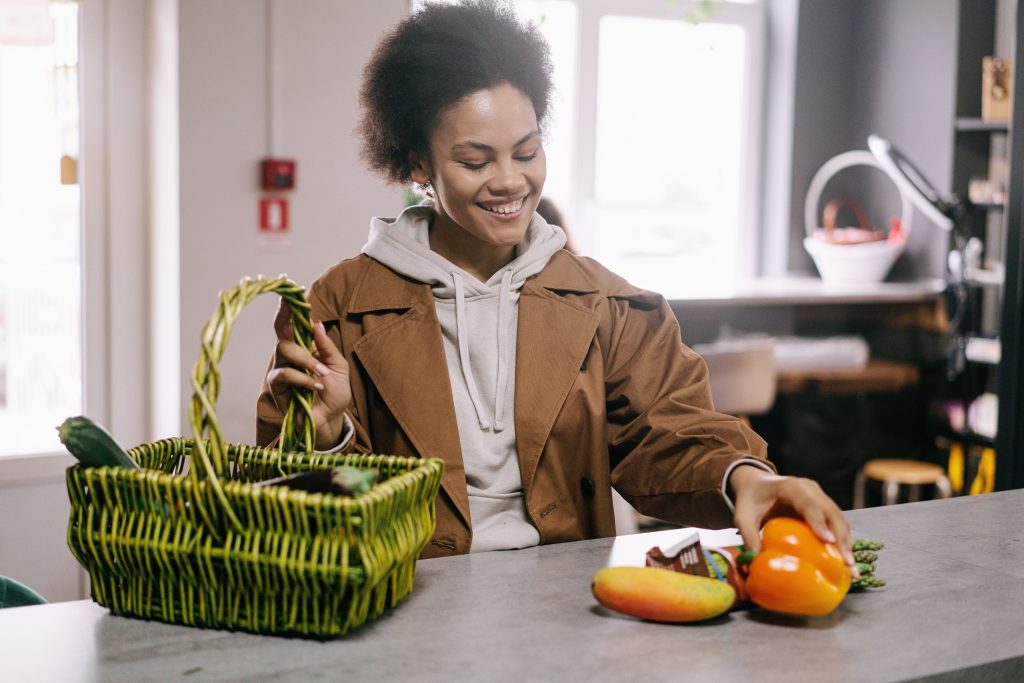
Creating a grocery list before heading to the store is one of the most effective ways to stay within budget. Planning meals ahead of time ensures that you buy only what you need, reducing both overspending and food waste. Shopping with a list also minimizes impulse purchases, which can quickly inflate your grocery bill.
Another important tip is to compare prices across brands and take advantage of sales or discounts. Buying in bulk for frequently used items can also lead to savings over time. With a little preparation, grocery shopping can become a highly efficient way to manage food expenses while still enjoying a variety of meals.
Balancing Convenience and Cost
One of the main challenges in food budgeting is finding a balance between convenience and affordability. Cooking at home takes time and effort, while eating out provides immediate gratification. The goal is to create a system that incorporates both options in a sustainable way.
For example, preparing meals in batches can save time during busy weeks. Cooking larger portions and storing leftovers allows you to enjoy home-cooked meals without starting from scratch every day. This approach reduces the temptation to order takeout when time is limited.
At the same time, setting aside a specific portion of your budget for dining out can help you enjoy restaurants without guilt. Whether it is a weekly outing or a special treat, having a designated allowance keeps spending in check while maintaining flexibility.
Tracking and Adjusting Your Food Budget
A successful food budget is not static. It requires regular monitoring and adjustment based on your lifestyle and financial goals. Tracking both grocery and dining expenses provides a clear picture of your spending habits and helps identify areas for improvement.
Simple tools such as budgeting apps or spreadsheets can make this process easier. By reviewing your expenses at the end of each month, you can determine whether your current approach is working or if changes are needed.
For those looking to refine their budgeting strategies further, consulting professionals such as a financial advisor in Scottsdale can offer additional guidance. These experts can help you align your daily spending habits with your broader financial objectives, ensuring that your food budget supports long-term stability.
Consistency is key in this process. Small adjustments, made regularly, can lead to significant savings over time without drastically changing your lifestyle.
Making Smart Choices Without Sacrificing Enjoyment
Budgeting for food should not feel restrictive or diminish your enjoyment of meals. Instead, it should empower you to make smarter choices that align with your priorities. This might involve trying new recipes at home, exploring affordable dining options, or finding creative ways to reduce costs while maintaining quality.
Cooking at home can also become a rewarding activity rather than a chore. Experimenting with different ingredients and cuisines can make meal preparation more enjoyable and engaging. At the same time, occasional dining experiences can serve as a way to relax and connect with others.
The key is mindfulness. Being aware of your spending and making intentional decisions ensures that your food budget enhances your lifestyle rather than limiting it.
Conclusion
Balancing groceries and eating out is a fundamental aspect of effective budgeting. By understanding the true cost of dining out, maximizing value through smart grocery shopping, and finding a balance between convenience and affordability, you can take control of your food expenses. Regularly tracking and adjusting your budget ensures that it continues to meet your needs over time. With a thoughtful and consistent approach, it is entirely possible to enjoy great meals while maintaining strong financial health.