The Myth of Fair Play: What You Don’t See in Online Gambling Odds
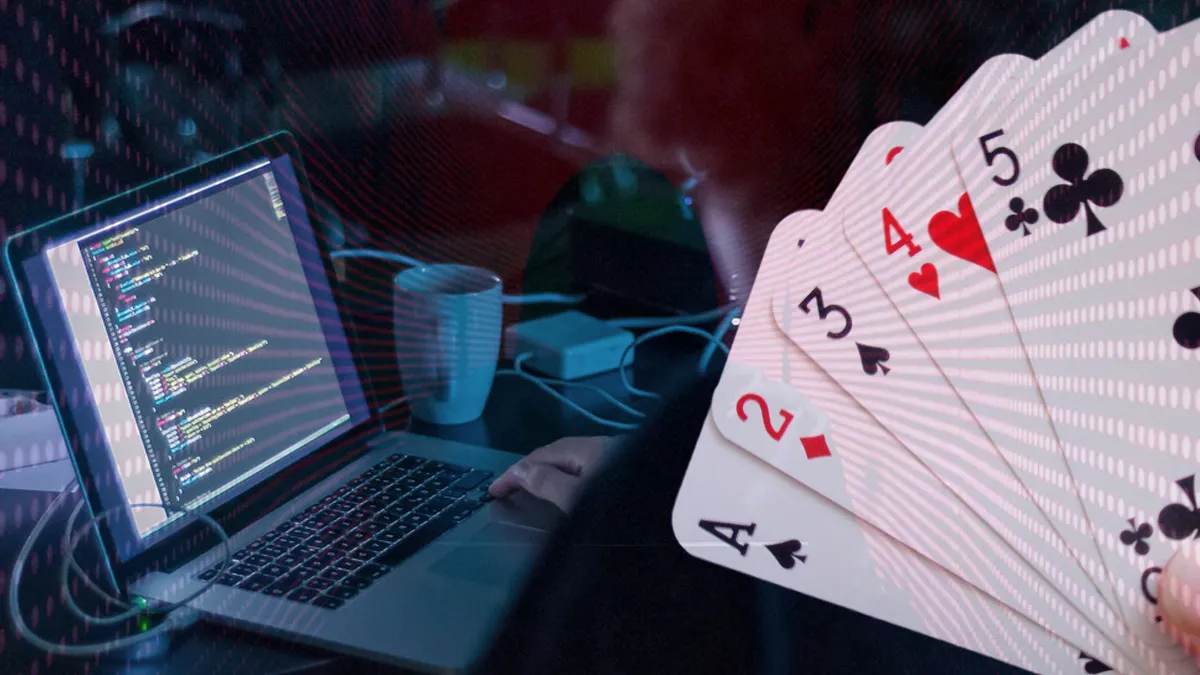
Online gambling often sells itself as a game of chance where everyone has an equal shot at winning. But beneath the surface, fairness is more myth than reality. The belief that luck alone decides your fate keeps players spinning, tapping, and betting. Yet, most don’t realize how online gambling systems are structured to favor the house. Even when you complete a tpower sign up, you’re stepping into a game where the odds are always calculated against you. Players keep going, checking wins and losses, hoping luck changes — but the system never does. It’s built with algorithms designed to create the illusion of fair play.
Hidden Algorithms and the House Edge
Online gambling platforms use Random Number Generators (RNGs) to decide outcomes. While RNGs are indeed random in a technical sense, they’re designed with a built-in house edge. This mathematical advantage ensures that over time, the house will always come out ahead. Even if you check your tpower status and see a few wins, these victories are part of a calculated strategy to keep you engaged. The games give just enough rewards to spark hope, but long-term play always swings in favor of the platform. This programmed edge is the silent force controlling your wins and losses.
The Manipulation of Payout Rates
Payout rates, also known as Return to Player (RTP), are another cleverly used tool in online gambling. These percentages make it seem like players have a good shot at winning big. For example, an RTP of 95% suggests you’ll win back $95 for every $100 wagered. But this doesn’t mean you’ll win back exactly that amount every time. The calculation is made over thousands of bets, not individual sessions. So when you sign in after your tpower sign up and start playing, that RTP works against you in subtle ways. It manipulates your perception, making losses feel like bad luck rather than a predictable outcome.
Chasing the Dream — and the Losses
The illusion of fair play encourages players to chase wins that are statistically unlikely. The feeling of being “due for a win” is a psychological trap that keeps gamblers spending. Players often check your tpower status after each round, thinking that persistence will pay off. In reality, the odds remain unchanged no matter how many times you play. This belief in the fairness of the system leads many to ignore the cold, mathematical truth: the house edge doesn’t care about your streaks, and luck doesn’t balance the scales.
The Bottom Line — It’s Not Really Fair
At its core, online gambling is a business model designed for profit. Fair play exists only within a framework that heavily favors the operator. Whether you’ve just completed your tpower sign up or you’re a regular player who likes to check your tpower status, the outcome of every game is shaped by complex systems that aren’t on your side. Understanding this reality isn’t meant to ruin the fun — it’s meant to remind players that behind the flashing lights and tempting jackpots lies a system crafted with one goal: to win more than it gives.
