Exploring Modern LED Solutions: From Strip Lights to Modules
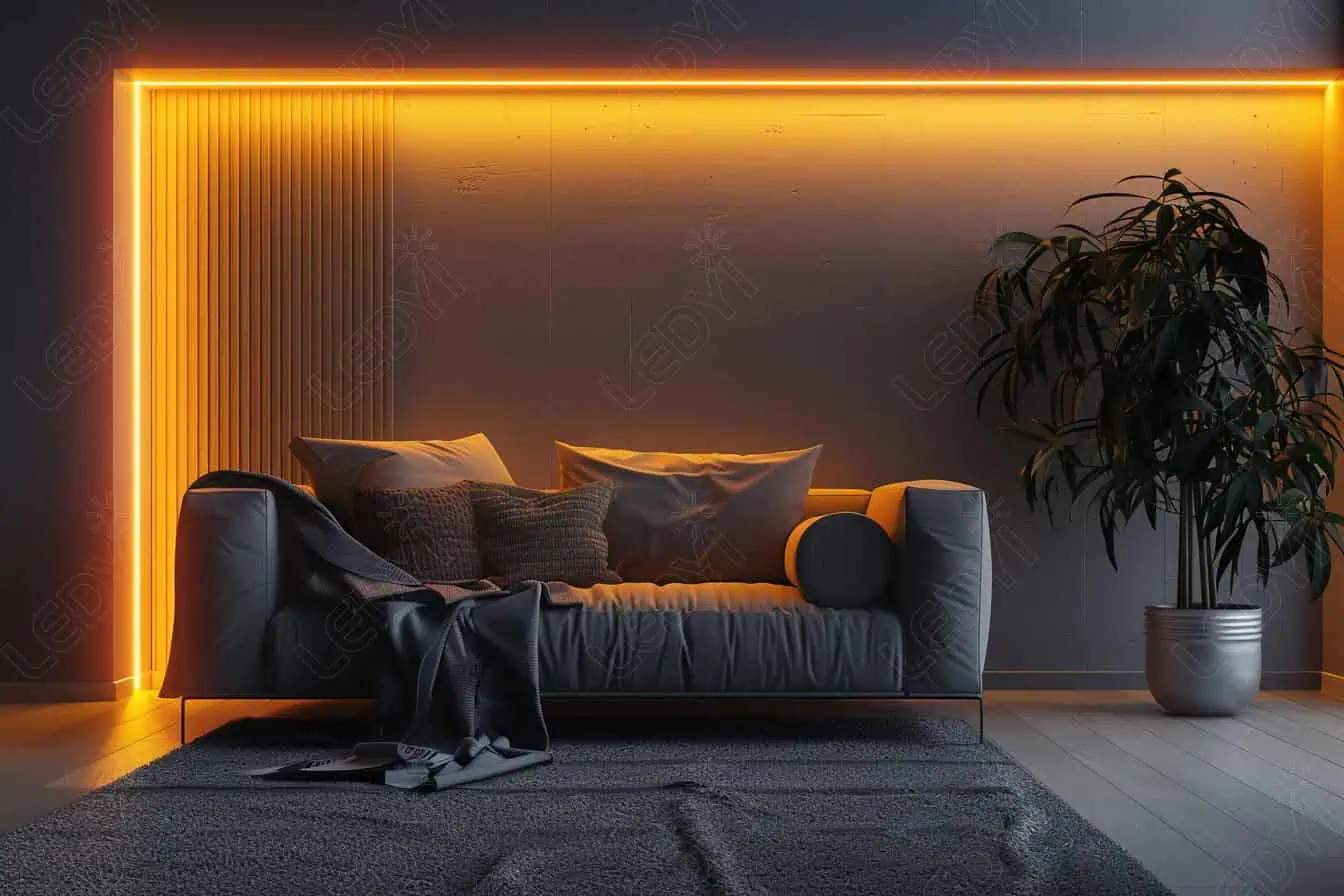
LED technology has transformed the way we light up homes, offices, and commercial spaces. With its energy efficiency, long lifespan, and versatility, LED lighting continues to grow in popularity. From flexible strips to modular units, the variety of options allows designers and homeowners to create functional and aesthetic lighting setups. Understanding the differences and applications of LED products helps in making informed choices for any project.
Understanding LED Strip Lights
LED strip lights are narrow, flexible circuit boards populated with tiny LED chips. They provide continuous illumination and can fit into tight spaces, corners, or decorative features. Available in different colors, brightness levels, and lengths, these strips offer a customizable lighting experience. Users can install them under cabinets, along shelves, or even outdoors with waterproof models. The flexibility and ease of installation make them a popular choice for both personal and commercial projects.
Choosing the Right LED Strip Lights
Selecting the right LED strip lights involves evaluating several factors. Brightness is measured in lumens, and higher values suit areas requiring more illumination. Voltage requirements and power supply compatibility are crucial to prevent damage. Waterproofing ensures durability for outdoor or humid spaces. Quality materials, such as high-grade copper for the circuit and durable adhesives, extend the product’s lifespan. A well-chosen strip balances brightness, efficiency, and longevity without unnecessary complexity.
LED Strip Lights Exporter
The global demand for LED strip lights is increasing, driven by sustainability and technological innovation. Businesses around the world seek reliable LED Strip Lights exporter options to access high-quality products that meet international safety standards. Exporters often offer a range of certifications and testing reports, ensuring that lighting solutions perform consistently across different markets. This international exchange helps bring advanced LED technology to regions with growing infrastructure and design requirements.
Introduction to LED Modules
While LED strips offer flexibility, LED modules provide structured lighting units suitable for larger-scale projects or precise illumination needs. Modules consist of multiple LEDs mounted on a small board with integrated circuitry, allowing them to operate independently or in groups. They are widely used in signage, commercial displays, and architectural lighting, offering bright, uniform light that is easy to control. The rigid design ensures stability, making modules ideal for long-term installations where reliability is critical.
Selecting LED Modules
Choosing the right LED modules requires attention to efficiency, brightness, and compatibility with existing systems. Modules come in different sizes and power ratings, suitable for various applications. Heat management is important, as overheating can reduce lifespan. High-quality modules provide consistent color temperature and output over time. Considering these factors ensures that your lighting setup meets functional and aesthetic requirements without frequent maintenance.
LED Module Suppliers
Finding reputable LED Module suppliers is essential for sourcing reliable components. Suppliers provide detailed specifications, certifications, and technical support to ensure products meet project needs. Working with experienced suppliers reduces the risk of inconsistent quality, delays, or compatibility issues. They also offer guidance on installation, performance optimization, and compliance with regional standards, supporting both small-scale projects and large commercial endeavors.
Integration of LED Strips and Modules
Combining LED strips and modules can create complex lighting designs with both flexibility and precision. Strips can highlight architectural features or provide ambient light, while modules add structured illumination for task areas or displays. Designers often use this combination in retail environments, offices, and modern homes to achieve layered lighting effects. Thoughtful integration enhances functionality, visual appeal, and energy efficiency without adding unnecessary complexity.
Conclusion
Understanding the different types of LED lighting solutions and their applications helps you make informed choices. From versatile LED strip lights to structured LED modules, each product has unique advantages depending on the project. Reliable sourcing through LED Strip Lights exporter and LED Module suppliers ensures quality and longevity. By focusing on efficiency, durability, and design, you can implement lighting solutions that are both practical and visually appealing.
