Building the Perfect Home: Everything You Should Know
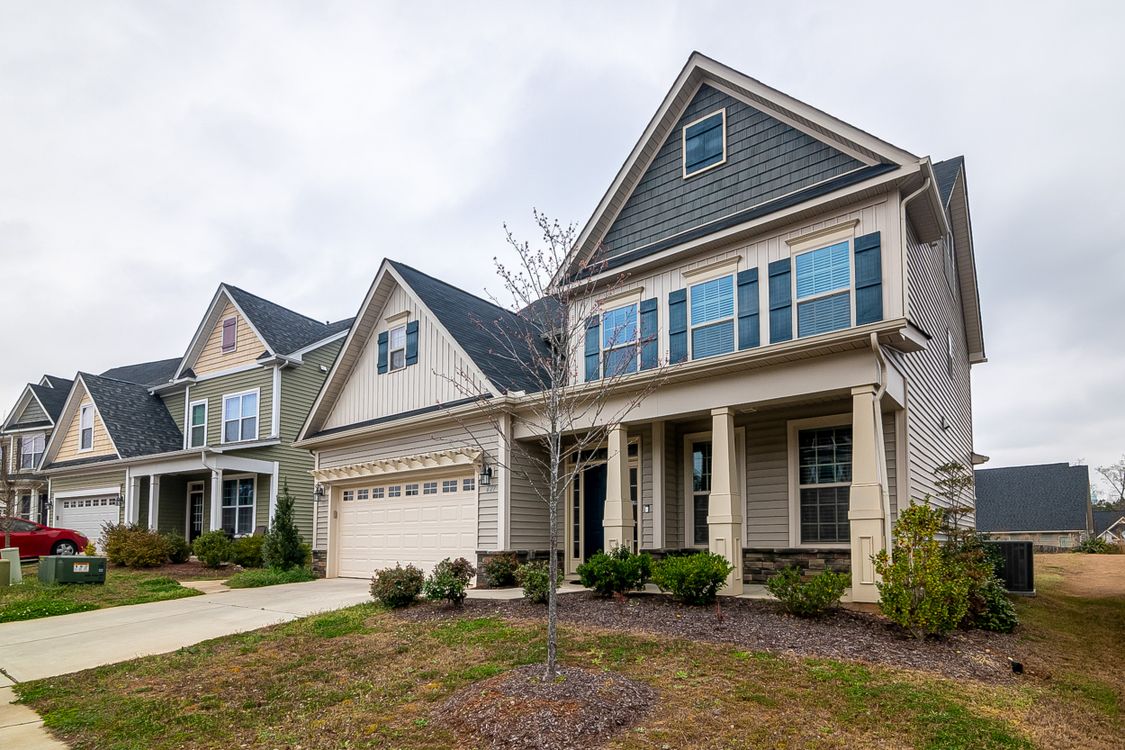
Photo from Pexels
Building a home from scratch? It’s one of those life-changing decisions that’s equal parts thrilling and nerve-wracking. Unlike buying an existing house where you’re working with someone else’s vision, constructing your own home means every detail, from the floor plan to the doorknobs, reflects your unique lifestyle and preferences. That said, this isn’t something you can wing. Success requires meticulous planning, a solid understanding of the construction process, and a team of professionals who know their craft inside and out. When you grasp the fundamentals of home building, you’re not just avoiding expensive mistakes, you’re setting yourself up to create a space that’ll serve your family beautifully for decades.
Understanding Your Budget and Financing Options
Let’s talk money first, because nothing derails a dream home faster than running out of funds halfway through. Your budget needs to cover everything: the land itself, architectural fees, permits, materials, labor costs, utility hookups, landscaping, and crucially, a cushion for those inevitable surprises. Most experts suggest adding fifteen to twenty percent on top of your estimates, trust us, you’ll need it. Construction financing works differently than traditional mortgages, too. You’re typically looking at bigger down payments and a disbursement schedule that releases funds in phases as work progresses. Finding a lender who specializes in construction loans makes all the difference. They’ll walk you through draw schedules, explain inspection requirements, and clarify how your construction loan converts to a permanent mortgage once you’re ready to move in. Getting this sorted early prevents those heartbreaking moments where you’re forced to compromise on features you really wanted.
Selecting the Right Location and Land
Where you build matters just as much as what you build. Sure, you want reasonable commute times and good schools nearby, but there’s so much more to consider. The land itself needs careful evaluation, soil quality, drainage issues, slope characteristics, and any easements that might limit where you can actually construct. Don’t skip the homework phase here.
Choosing Your Home Design and Architecture
This is where your vision starts taking concrete shape, literally. Working with a skilled architect or home designer helps you strike that tricky balance between what looks amazing and what actually works for daily living. Your floor plan should mirror how your family really functions, with smart consideration of traffic patterns, natural lighting, storage requirements, and room sizes that feel comfortable rather than cramped. Open floor plans remain popular for good reason, offering flexibility and connection between spaces.
Assembling Your Construction Team
Your building project’s success hinges almost entirely on the people you hire. A qualified general contractor acts as your quarterback, coordinating all the moving pieces, scheduling subcontractors, ordering materials, ensuring everything meets code, and keeping the project on track and on budget. When you’re vetting contractors, don’t just glance at a portfolio. Check references thoroughly, verify their licenses and insurance coverage, and confirm they’ve handled projects similar to yours in both scope and style. Beyond your general contractor, you’ll need specialists for critical systems: electrical, plumbing, HVAC, and structural work. The craftsmanship in foundational elements like your home’s base, framing, and roof literally determines how well your house performs and how long it lasts. In areas where weather throws curveballs, intense heat, severe storms, dramatic temperature swings, getting these elements right becomes even more crucial. When building in regions with intense weather conditions and temperature fluctuations, professionals who need to ensure durable protection throughout construction often consult with experienced Austin roofing contractors for quality installation that withstands local climate challenges. Setting clear expectations upfront and maintaining open communication keeps everyone moving in the same direction throughout the build.
Navigating Permits and Building Codes
Here’s the part that tests everyone’s patience: permits and approvals. Before anyone breaks ground, you need sign, off from local authorities who verify your project meets building codes, zoning requirements, and safety standards. Depending on where you’re building and how complex your project is, this process might take weeks or stretch into months, plan accordingly. Building codes aren’t just bureaucratic red tape, though they can feel that way sometimes.
Managing the Construction Timeline
Most home builds take somewhere between six and twelve months, though that’s just a ballpark. Complicated designs, bad weather, or material shortages can stretch things considerably. The sequence follows a logical progression: site prep and foundation first, then framing, roofing, and exterior work before moving inside for systems installation and finishing touches. Stay connected with your contractor, regular updates keep you in the loop about progress, upcoming decisions, and anything requiring your input or approval.
Conclusion
Creating the perfect home means finding that sweet spot between ambitious dreams and practical realities. It requires thorough planning combined with enough flexibility to adapt when circumstances shift, and they will. Your success depends on choosing the right professionals, maintaining clear lines of communication, and making informed choices about design elements, materials, and systems that together create your ideal living space. Yes, the journey from empty lot to finished home presents challenges and demands significant investment of both time and money. But there’s something deeply satisfying about living in a space that’s been crafted specifically for how you live, work, and play. When you understand each construction phase and prepare properly before that first shovel hits dirt, you’ll navigate the complexities with confidence. The result? A home that doesn’t just meet your current needs but serves your family beautifully for generations ahead.
