Video Menus Transforming the Dining Industry: An In-Depth Look at Digital Change
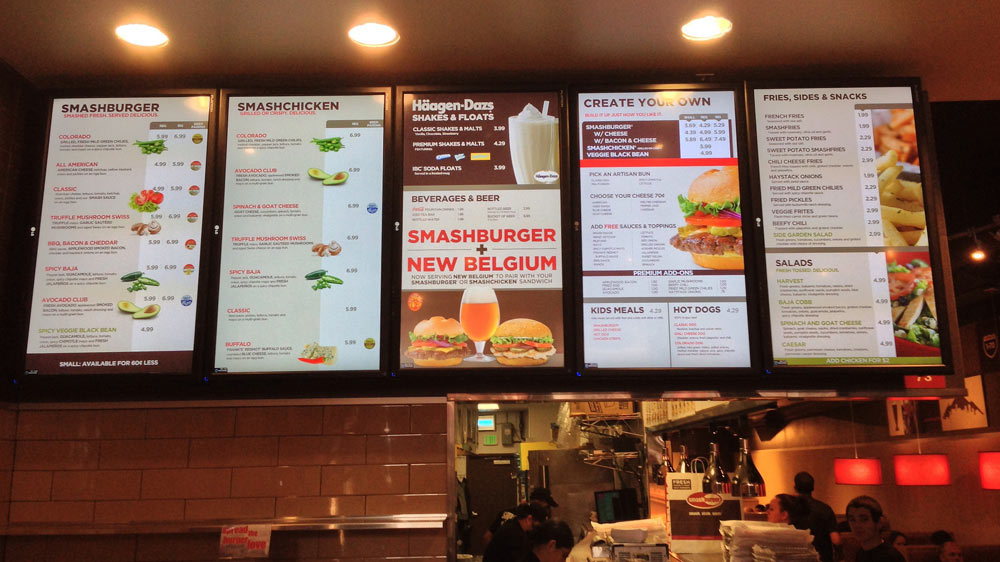
The dining experience is undergoing a quiet but powerful transformation, one plate at a time. As the digital era reshapes customer expectations, traditional paper menus are fading into the background, making space for a more dynamic, engaging, and innovative substitute — video menus. This shift is about much more than replacing text with visuals; it’s about creating an immersive, interactive experience that enhances the customer’s connection to a restaurant’s offerings.
The Shift from Print to Pixels
For decades, diners have flipped through static paper menus that could never fully capture the essence of the meals being offered. These traditional menus were limited not only by space but also by the creative constraints of text and photography. Updating them was both time-consuming and expensive, often requiring reprints with every seasonal change or price adjustment.
Video menus have disrupted this process by offering a flexible and highly visual alternative. These digital menus, often displayed on tablets, screens, or through QR code-based systems, allow restaurants to present their dishes in high-definition video format. Ingredients can be highlighted, preparation methods showcased, and plating artistry demonstrated, all within a few seconds. This dynamic visual storytelling helps customers make more informed and exciting choices.
Enhancing Customer Engagement
Video menus do more than just show food — they tell a story. They allow restaurants to express their brand personality and culinary philosophy through moving images, sound, and sometimes even interactive elements. For example, a sushi bar might feature close-ups of their chef masterfully rolling sushi, or a steakhouse could showcase the sizzle of a steak hitting the grill.
This form of storytelling not only stimulates the appetite but also enhances the overall customer experience. In an age where attention spans are short, and visual stimulation is in high demand, video menus grab attention faster and hold it longer than printed menus ever could. This engagement often translates into higher satisfaction and even increased average order value, as customers are more inclined to explore and try new dishes.
Operational Flexibility and Cost Efficiency
Another reason video menus are making waves in the dining industry is their adaptability. Digital menus can be updated in real-time to reflect inventory changes, seasonal dishes, or promotional offers without the need for costly and wasteful reprints. This real-time flexibility helps restaurants reduce errors and ensures that customers are always presented with accurate information.
Moreover, the initial investment in video menu infrastructure often pays for itself through operational savings. Since changes to digital menus can be executed centrally, businesses with multiple locations can roll out updates simultaneously, maintaining brand consistency and compliance with minimal effort.
Sustainability Meets Innovation
In a world that’s increasingly conscious of environmental impact, video menus offer a sustainable alternative to paper menus. The reduction in paper waste and printing resources makes digital menus a greener choice for restaurants striving to meet sustainability goals. This shift also resonates with eco-conscious consumers who appreciate when businesses align with their values.
Additionally, the technology behind video menus often integrates seamlessly with other systems, such as point-of-sale (POS) software, inventory management, and customer feedback platforms. This interconnected approach enhances operational efficiency while reducing the restaurant’s environmental footprint.
The Role of Visual Content in Food Choices
There’s an old adage: “We eat with our eyes first.” Video menus take this concept to the next level by offering high-quality, mouth-watering visuals that trigger emotional responses and cravings. Studies in consumer psychology have shown that visual exposure to food can significantly influence purchasing decisions, especially when the media highlights textures, colors, and motion.
Some restaurants are also tapping into advanced creative techniques, using AI generated images to craft visually stunning food representations that maintain consistency across all digital platforms. This approach not only saves time in food photography but also ensures that every dish looks picture-perfect, regardless of lighting conditions or camera equipment.
Addressing Accessibility and Inclusivity
Video menus are also creating a more inclusive dining experience for all customers. Features like audio narration, multi-language support, and adjustable text sizes ensure that individuals with visual impairments, language barriers, or literacy challenges can easily navigate the menu and place orders confidently.
For international travelers, video menus reduce the uncertainty of ordering unfamiliar dishes by showing real-life footage of the food, providing helpful context that a translation or text description might lack. This inclusivity contributes to a welcoming atmosphere and strengthens customer loyalty.
Marketing Synergy and Social Media Appeal
One of the hidden advantages of video menus lies in their marketing potential. These visual assets can be repurposed for social media, websites, and digital advertising campaigns. The same enticing footage used in a video menu can drive engagement across Instagram, TikTok, and other platforms, making marketing efforts more cohesive and cost-effective.
Restaurants are even exploring an AI video generator to automate content production for their video menus and promotional campaigns. These tools can synthesize diverse styles, moods, and branding elements into tailor-made video content, eliminating the need for expensive video shoots and editing services. The result is not only budget-friendly but also highly adaptable to changing trends and customer preferences.
Future-Proofing the Dining Experience
Video menus are not just a passing trend; they represent the future of the dining industry. As the digital-first generation grows older and new technologies become mainstream, the demand for interactive and visually engaging experiences will only increase. Features like augmented reality (AR) previews, real-time allergen alerts, and personalized recommendations are already being integrated into advanced video menu systems.
Artificial intelligence, machine learning, and data analytics will further refine this landscape. Restaurants will be able to tailor the menu experience to each individual customer, adjusting the display based on past orders, dietary restrictions, or even current mood indicators gleaned from facial recognition software.
Conclusion
The digital revolution is reshaping the dining industry from the ground up, and video menus are leading the charge. By offering a perfect blend of visual storytelling, operational flexibility, customer engagement, and marketing power, video menus represent a transformative step forward. For restaurants looking to stay competitive and relevant, embracing this shift is no longer an option — it’s a necessity.
