Implementing Stackable Bistro Chairs That Maximize Space in Busy Food Courts
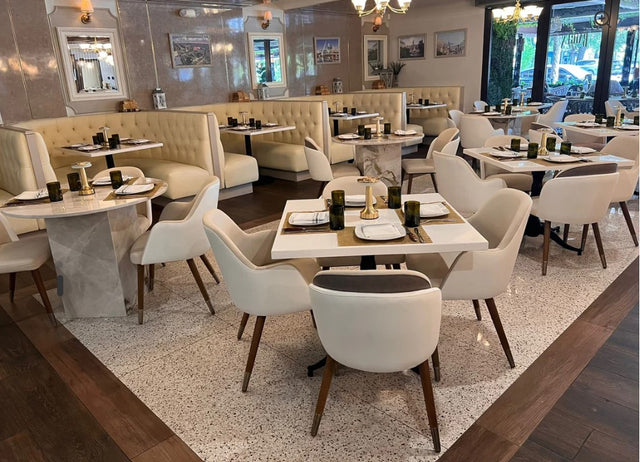
Modern food courts face a tough challenge. They have to seat large numbers of people in limited space while still keeping the atmosphere pleasant. The seating arrangement plays a bigger role in this than many realize. Poorly planned layouts can waste as much as a quarter of usable space, leaving customers waiting and operators under pressure.
Stackable bistro chairs are proving to be an effective solution in the restaurant furniture industry. They bring style to the space, but also allow staff to quickly adjust seating numbers during both busy and quiet hours. In some cases, operators have seen seating turnover increase by nearly 17 percent after switching to stackable designs. By choosing seating that blends practicality with style, food courts can improve both efficiency and customer comfort.
Why Stackable Bistro Chairs Win in Busy Spaces
Bistro chairs adapt well to almost any dining environment. Their lightweight frames make them easy to move, and their simple design allows for quick stacking and storage. This is essential in busy areas where seating needs can change in a matter of minutes.
Over time, they prove to be cost‑efficient too. Because of their durability and ability to save space, they often cost around 15 percent less per seat over five years compared to fixed seating. Some venues even reduce seating by 20 percent during slower hours, making the space look tidier while avoiding the cluttered feel of too many empty chairs.
The Real Space-Saving Advantage
One of the biggest benefits of stackable chairs is how little space they require when stored. Many models can fit eight to ten chairs into just half a square meter. This makes it easy to keep extras nearby without using valuable floor space.
Quick setup and takedown add another layer of convenience. A trained team can store a stack of 20 chairs in under two minutes. This speeds up cleaning, makes rearranging easier, and helps the food court stay organized even during its busiest times.
Balancing Comfort and Style
Comfort matters, even for short visits. A good bistro chair offers the right backrest height, seat depth, and contour to keep customers relaxed while they eat. Well‑shaped backrests can reduce customer complaints by as much as 30 percent.
Adding small touches like subtle armrests can improve comfort without taking up much extra room. The choice of color and finish is just as important, helping the chairs either blend into the design or stand out as a feature. When both comfort and style are considered, seating becomes part of the overall dining experience.
Choosing the Right Materials
The frame material plays a big role in durability and appearance. Metal, wood, and high‑quality plastic each have strengths, so the choice depends on the food court’s needs. For example, aluminum‑powder coated frames resist rust and are about 40 percent lighter than steel, making them easier to handle.
For outdoor seating, marine‑grade polymer can withstand more than 1,000 stacking cycles without visible damage. Scratch and stain resistance helps maintain a clean look, and non‑slip feet protect both the chairs and the floor. Lightweight but strong materials make stacking safer and less tiring for staff.
Integrating Chairs into a Food Court Layout
A well‑planned layout keeps traffic moving smoothly. Aisles should be at least 1.2 meters wide to allow easy movement and meet accessibility requirements. Grouping chairs in clusters of four to six encourages conversation and speeds up turnover, with smaller clusters converting around 12 percent faster than larger setups.
Strategic chair placement also helps staff clean more efficiently and collect waste without disturbing diners. Matching chair designs with tables and surrounding décor creates a balanced, attractive look that makes the food court feel well‑managed.
Making Life Easier for Operators and Staff
Stackable chairs save time and effort during daily operations. A wheelbase dolly can move more than 20 chairs at once, reducing handling time from 45 seconds per chair to about 12 seconds. This adds up to significant labor savings over time.
Proper stacking methods protect the chairs from damage. Regular inspections every three months help extend their lifespan, and buying in bulk keeps costs down while ensuring a consistent look. Training staff to handle chairs efficiently ensures the system works smoothly.
Recap: Turning Space into Profit
Stackable bistro chairs are more than just furniture. They are a way to make the most of every square meter, keep customers comfortable, and make daily operations easier. The right chairs can improve turnover rates, reduce labor time, and maintain an inviting atmosphere.
By investing in seating that is durable, comfortable, and visually appealing, operators can transform their food court into a space that works harder and looks better. Every seat becomes an opportunity to welcome another customer, and every design choice moves the space closer to being both efficient and profitable.
